Top Trending T Shirt Printing Techniques You Should Know Today
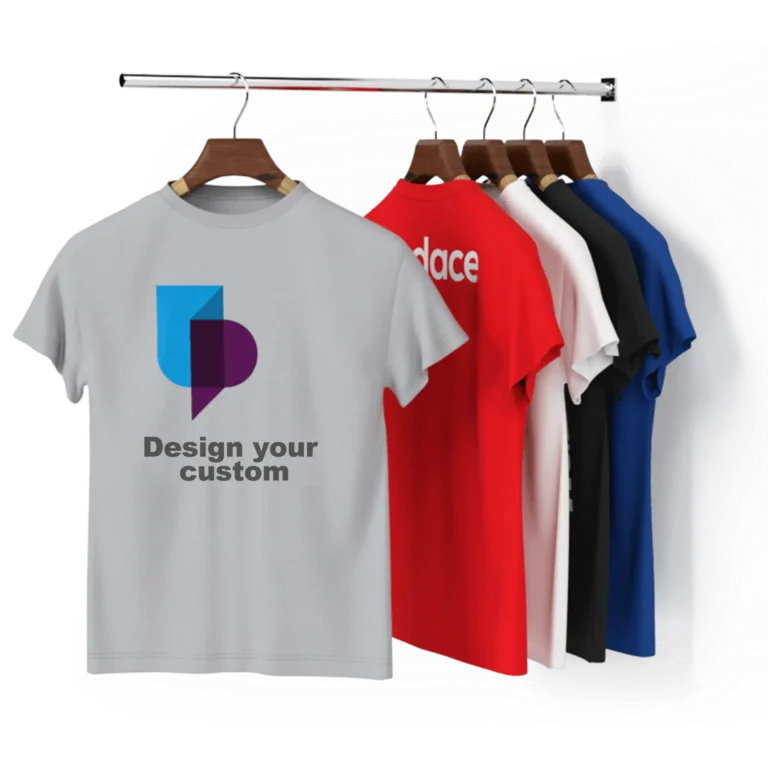
T-shirt design has evolved from simple graphic placement to a highly creative and technical field. Today, different printing methods allow designers and businesses to produce unique, durable, and visually striking apparel. Whether for fashion brands, events, or personal use, understanding modern printing techniques is essential for creating high-quality Custom T Shirt designs.
Understanding Modern T-Shirt Printing
T-shirt printing is the process of transferring artwork, patterns, or text onto fabric using various techniques. Each method has its own strengths, depending on design complexity, fabric type, production volume, and budget. Choosing the right technique can significantly affect the final look, feel, and durability of the product.
Screen Printing: The Classic Industry Standard
How It Works
Screen printing involves pushing ink through a mesh stencil onto fabric. Each color requires a separate screen, making it ideal for bold and simple designs.
Advantages
- Highly durable prints
- Vibrant color output
- Cost-effective for bulk production
Limitations
- Not suitable for complex or highly detailed images
- Setup costs can be high for small orders
Screen printing remains one of the most widely used methods due to its reliability and long-lasting results.
Direct-to-Garment (DTG) Printing: High Detail Precision
How It Works
DTG printing uses specialized inkjet technology to print directly onto the fabric, similar to a paper printer.
Advantages
- Excellent for detailed and colorful designs
- No setup cost for multiple colors
- Ideal for small orders or one-off prints
Limitations
- Slower production speed
- Works best on 100% cotton fabrics
DTG is especially popular for custom artwork and designs requiring photo-level detail.
Heat Transfer Printing: Flexible and Versatile
How It Works
Designs are printed onto a transfer paper and then applied to the T-shirt using heat and pressure.
Advantages
- Suitable for small batches
- Can print complex and colorful images
- Works on various fabric types
Limitations
- May crack or fade over time
- Less breathable than other methods
Heat transfer is often used for promotional items and personalized T-shirts.
Sublimation Printing: Best for Polyester Fabrics
How It Works
Sublimation turns solid dye into gas using heat, allowing it to bond with polyester fibers.
Advantages
- Permanent, fade-resistant prints
- Lightweight and breathable finish
- Ideal for all-over designs
Limitations
- Only works on polyester or polymer-coated fabrics
- Not suitable for dark-colored shirts
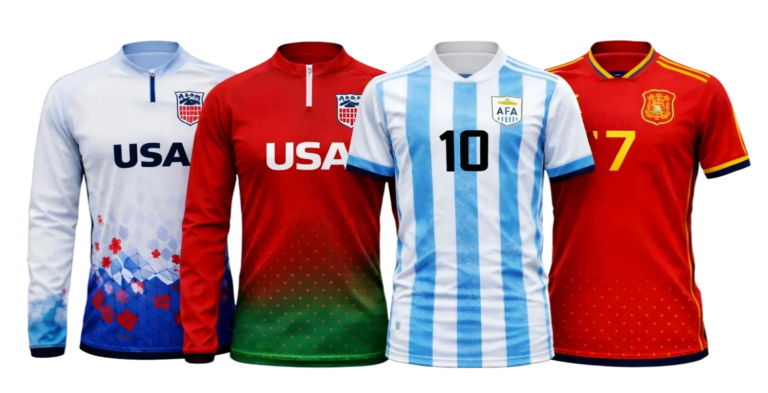
Sublimation is widely used in sportswear and performance apparel.
Vinyl Printing: Clean and Durable Designs
How It Works
Vinyl printing involves cutting designs from colored vinyl sheets and heat pressing them onto fabric.
Advantages
- Very durable and long-lasting
- Great for simple shapes and text
- Sharp and clean appearance
Limitations
- Not ideal for complex designs
- Time-consuming for large orders
Vinyl printing is commonly used for jerseys, names, and numbers.
Emerging Trends in T-Shirt Printing
Eco-Friendly Printing Methods
Sustainability is becoming a priority, with water-based inks and reduced chemical usage gaining popularity.
Digital Customization
On-demand printing allows customers to design T-shirts individually, reducing waste and inventory costs.
3D and Puff Printing Effects
Textured prints are trending in fashion, adding depth and a premium feel to designs.
Comparison Table of T-Shirt Printing Techniques
| Printing Technique | Best For | Durability | Cost Efficiency | Design Complexity | Key Advantage |
| Screen Printing | Bulk orders, simple designs | High | Very High | Low–Medium | Long-lasting bold prints |
| DTG Printing | Detailed artwork | Medium | Medium | High | Photo-quality printing |
| Heat Transfer Printing | Small custom orders | Medium | Medium | High | Flexible and easy setup |
| Sublimation Printing | Polyester sportswear | Very High | High | High | Permanent all-over prints |
| Vinyl Printing | Names, numbers, logos | Very High | Medium | Low | Sharp and durable finish |
Choosing the Right Printing Method
Based on Order Size
For large-scale production, screen printing is often the most economical choice. For small batches or custom designs, DTG and heat transfer are more practical.
Based on Fabric Type
Cotton works best with DTG and screen printing, while polyester is ideal for sublimation.
Based on Design Style
Simple logos and text work well with vinyl and screen printing, while detailed artwork requires DTG or sublimation.
Final Thoughts
T-shirt printing has become a dynamic and innovative industry with multiple techniques offering different benefits. From traditional screen printing to advanced digital methods, each approach provides unique opportunities for creativity and customization. Understanding these techniques helps designers, businesses, and individuals make informed decisions and produce high-quality T-shirt designs that stand out in today’s competitive market. With reliable production support from FastPrintStar, it becomes easier to turn creative ideas into professional results.