Why Is My Car Shaking? 10 Common Causes, Fixes & Costs (2026 Guide)
Why Is My Car Shaking?
Few things are more unsettling than feeling your car shake, vibrate, or shimmy while driving. Whether it’s a slight tremor in the steering wheel or a violent full-body shudder, a shaking car is your vehicle’s way of telling you something is wrong and you shouldn’t ignore it.
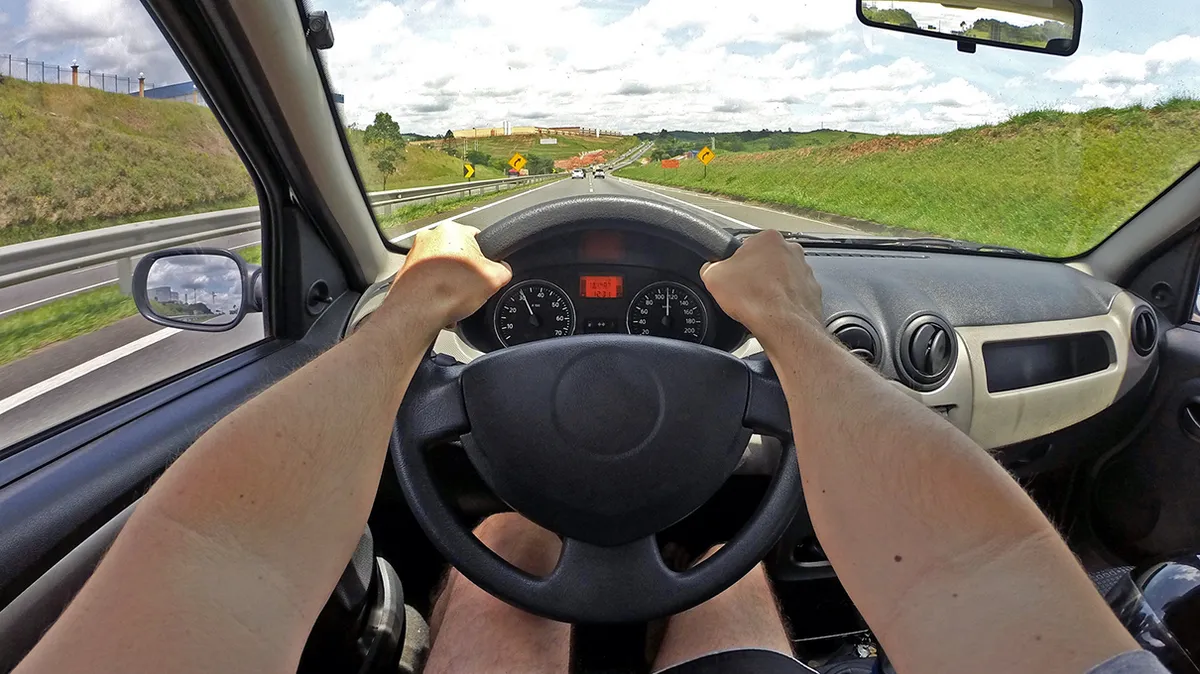
Car shaking can be caused by dozens of different problems, ranging from something as simple and cheap as unbalanced tires to something as serious and expensive as a failing engine. The good news? Where and when the shaking happens is your biggest clue to diagnosing the problem.
In this updated 2026 guide, we’ll walk you through every major cause of car vibrations, how to diagnose them yourself, what fixes are needed, and how much each repair typically costs sell a car with engine or gearbox problems.
Is a Shaking Car Dangerous?
Yes in many cases, a shaking car is a safety hazard. A car vibrating due to worn brake rotors, failing suspension, or damaged CV joints can compromise your ability to steer, stop, and maintain control of the vehicle especially at highway speeds.
Even if the shake seems minor today, most causes of car vibration get worse over time and more expensive to fix if left unaddressed. The moment you notice abnormal vibrations, get your car inspected.
How to Diagnose Car Shaking: The #1 Trick
Before we dive into specific causes, here’s the most important diagnostic tip:
Pay close attention to when and where the shaking occurs.
| When Does It Shake? | Most Likely Cause |
| At high speeds (55–70 mph) | Unbalanced tires, wheel alignment |
| When braking | Warped brake rotors, worn brake pads |
| When accelerating | CV axle, transmission, engine misfire |
| At idle / when stopped | Engine mounts, spark plugs, fuel issues |
| When turning | CV joints, worn tie rods, bad wheel bearing |
| All the time | Multiple issues, worn suspension |
This simple pattern-matching approach will save you time and money at the mechanic.
10 Most Common Reasons Your Car Is Shaking
1. Unbalanced or Worn Tires
Most common cause of highway shaking.
Your tires are the first place to check when your car starts vibrating. Since they make direct contact with the road, any imbalance or uneven wear creates noticeable vibrations.
Types of tire-related shaking:
- Unbalanced tires — If the weight isn’t evenly distributed across a tire, it causes repetitive bouncing or vibration, especially at speeds above 50 mph.
- Uneven tire wear — Tires that wear unevenly due to poor alignment or low pressure develop flat spots and irregular tread, causing persistent vibration.
- Damaged tires — A bubble, bulge, or internal separation in a tire creates dangerous, unpredictable shaking.
Symptoms:
- Vibration felt through the steering wheel at highway speeds
- Shaking gets worse the faster you go
- Visible uneven tread wear
Fix: Tire balancing ($15–$75 per tire), tire rotation, or tire replacement ($100–$300 per tire depending on size and brand).
2. Wheel Alignment Problems
Misaligned wheels cause constant pulling and vibration.
Wheel alignment refers to the precise angle at which your tires contact the road. When alignment is off due to hitting a pothole, curb, or normal wear your tires fight each other instead of working together, causing the car to pull to one side and vibrate.
Symptoms:
- Car drifts or pulls to one side without steering input
- Uneven tire wear on the inner or outer edges
- Steering wheel is off-center when driving straight
- Vibration felt in steering wheel at various speeds
Fix: Wheel alignment ($75–$200). Recommended every 1–2 years or after any significant impact.
3. Warped Brake Rotors
Most common cause of shaking when braking.
Brake rotors are the metal discs that your brake pads clamp onto to slow your car down. Over time, heat from braking causes rotors to warp slightly, creating an uneven surface. When the brake pads clamp onto a warped rotor, you feel a pulsating vibration through the brake pedal and steering wheel.
Symptoms:
- Shaking or pulsation felt only when applying the brakes
- Vibration in the steering wheel during braking
- Longer stopping distances
- High-pitched squealing or grinding sound when braking
Fix: Rotor resurfacing ($25–$75 per rotor) or full rotor replacement ($150–$400 per axle including labor). Ignoring warped rotors increases stopping distance and can lead to brake failure.
4. Worn Brake Pads
Thin or glazed pads cause braking vibrations and grinding.
Brake pads press against your rotors to create friction and stop the car. When pads wear too thin, they lose their ability to grip evenly, causing vibrations during braking. In some cases, glazed (hardened) pads also cause shuddering.
Symptoms:
- Shaking when braking, especially at higher speeds
- Squealing or squeaking noise when applying brakes
- Brake pedal feels spongy or less responsive
- Grinding metal-on-metal sound (advanced wear)
Fix: Brake pad replacement ($150–$300 per axle including labor). If ignored, worn pads damage rotors — turning a cheap repair into an expensive one.
5. Bad CV Axle or CV Joints
A leading cause of shaking when accelerating or turning.
Constant Velocity (CV) joints connect your drivetrain to your wheels and allow your wheels to turn while power is delivered. When CV joints wear out or their protective rubber boots crack and let in dirt and moisture, they begin to fail causing distinct vibrations.
Symptoms:
- Shaking or vibration during acceleration
- Clicking or clunking noise when turning, especially in tight circles
- Vibration that worsens when turning and accelerating simultaneously
- Grease splattered inside the wheel well (torn CV boot)
Fix: CV boot replacement ($150–$350) if caught early, or full CV axle replacement ($400–$900 including labor) if the joint is already damaged.
6. Worn or Damaged Suspension Components
Shaking while driving over bumps or at speed.
Your suspension system shocks, struts, control arms, bushings, ball joints is designed to absorb road imperfections and keep your tires planted on the ground. When any of these components wear out, the car loses its ability to control body movement, leading to vibration, bouncing, and unstable handling.
Key suspension parts that cause shaking:
- Shocks/Struts — Control bounce and body roll. Worn shocks cause excessive bouncing and instability.
- Ball Joints — Connect the wheel hub to the suspension. Worn ball joints cause shimmy and imprecise steering.
- Tie Rods — Connect the steering to the wheels. Worn tie rods cause steering wheel vibration and loose handling.
- Control Arm Bushings — Worn bushings cause knocking, vibration, and poor handling, especially at highway speeds.
Symptoms:
- Bouncing or swaying on rough roads
- Clunking or knocking sounds over bumps
- Uneven tire wear
- Car “floats” or feels loose at speed
Fix: Costs vary widely. Shock/strut replacement averages $450–$1,200 per axle. Control arm replacement runs $500–$1,000. Ball joint replacement is $200–$500 per joint.
7. Engine Misfires and Spark Plug Problems
Engine shaking felt most at idle or on acceleration.
If your engine isn’t firing on all cylinders due to faulty spark plugs, bad ignition coils, or clogged fuel injectors it runs rough and causes noticeable vibration throughout the car. This type of shaking is often felt most strongly when the car is idling.
Symptoms:
- Car shakes at idle but smooths out when driving
- Rough, uneven engine feel
- Check Engine Light (CEL) is on
- Poor fuel economy
- Hesitation or stumbling on acceleration
Fix: Spark plug replacement ($100–$250 for a full set). Ignition coil replacement ($200–$400). Fuel injector cleaning ($100–$200) or replacement ($400–$800).
8. Engine Mount Failure
Whole-car vibration, especially felt in the seat and floor.
Engine mounts are rubber-and-metal brackets that hold your engine in place and absorb vibrations from the engine. When they crack, collapse, or wear out, engine vibrations transfer directly into the car’s body causing the whole vehicle to shake.
Symptoms:
- Strong vibration when the engine is under load (acceleration)
- Clunking or banging when shifting gears
- Engine visibly rocks when revved with the hood open
- Vibration felt through the seat, floor, and steering column
Fix: Engine mount replacement $300–$700 depending on the vehicle and how many mounts need replacing (most cars have 2–4).
9. Transmission Problems
Shaking on acceleration or during gear changes.
A slipping or failing automatic transmission or a worn clutch disc in a manual can cause shuddering during acceleration, especially when the transmission is shifting between gears. Low transmission fluid is often the culprit and the easiest fix.
Symptoms:
- Shuddering on acceleration or during shifts
- Delay before the car moves after selecting drive
- Hard or jerky gear changes
- Transmission warning light on dashboard
- Check Engine Light illuminated
Fix: Check and top up transmission fluid first ($10–$30 DIY). Fluid flush and filter change ($150–$350). Clutch replacement (manual) $800–$1,500. Full transmission rebuild or replacement $2,500–$5,000+ in severe cases.
10. Wheel Bearing Failure
Humming, grinding vibration that changes with speed.
Wheel bearings allow your wheels to spin freely with minimal friction. When a wheel bearing starts to fail, it creates a characteristic humming or grinding noise that turns into vibration as it deteriorates further.
Symptoms:
- Humming or growling noise that changes pitch with speed
- Vibration felt through the steering wheel, particularly when turning
- The noise gets louder on turns (worse on curves)
- Loose or wobbly feeling in the wheel
Fix: Wheel bearing replacement $200–$600 per wheel depending on the vehicle. Do not delay a severely worn wheel bearing can cause a wheel to seize while driving.
Car Shaking Diagnosis by Situation
Why Is My Car Shaking at High Speeds?
If your car shakes specifically at highway speeds (55–70 mph or above), the most likely culprits are:
- Unbalanced tires (most common)
- Worn or damaged tires
- Wheel misalignment
- Worn wheel bearings
- Worn suspension components (tie rods, ball joints)
Quick fix: Start with a tire balance and alignment check it’s inexpensive and solves the majority of highway shaking issues.
Why Is My Car Shaking When I Brake?
If the shaking only happens when you apply the brakes:
- Warped brake rotors (most common)
- Worn brake pads
- Sticking brake calipers
- Worn wheel bearings (worse under braking load)
- Loose wheel lug nuts
Quick fix: Have your brake rotors and pads inspected immediately. Braking-related vibrations are a safety issue that worsens rapidly.
Why Is My Car Shaking When Accelerating?
If the shaking happens specifically when you press the gas:
- Worn CV axle or CV joints (most common)
- Driveshaft imbalance or damage
- Engine misfires / spark plug failure
- Low transmission fluid
- Worn motor mounts
Why Is My Car Shaking While Idling or Parked?
If the car shakes when stopped with the engine running:
- Faulty spark plugs (most common)
- Clogged fuel injectors
- Failing engine mounts
- Vacuum leak
- Dirty or failing mass airflow sensor
When Is a Shaking Car an Emergency?
Get your car to a mechanic immediately if you experience:
- Violent shaking with smoke — possible engine or drivetrain failure
- Shaking combined with brake failure — stop the car safely and do not drive
- Wobbling wheel — possible wheel bearing failure or loose lug nuts (extremely dangerous)
- Shaking with the Check Engine Light — could indicate serious engine problem
- Car pulling hard to one side while shaking — suspension or tire blowout risk
If in doubt, pull over safely and call for a tow rather than driving a shaking car to a shop.
Repair Cost Summary Table (2026)
| Cause | DIY Possible? | Estimated Repair Cost |
| Tire balancing | No | $15–$75 per tire |
| Wheel alignment | No | $75–$200 |
| Tire replacement | No | $100–$300 per tire |
| Brake pad replacement | Yes (advanced) | $150–$300 per axle |
| Brake rotor replacement | Yes (advanced) | $150–$400 per axle |
| CV joint / axle replacement | No | $400–$900 |
| Spark plug replacement | Yes | $100–$250 |
| Engine mount replacement | No | $300–$700 |
| Shock/strut replacement | No | $450–$1,200 per axle |
| Wheel bearing replacement | No | $200–$600 per wheel |
| Transmission fluid service | Yes | $150–$350 |
| Control arm replacement | No | $500–$1,000 |
How to Prevent Your Car from Shaking
Prevention is always cheaper than repair. Follow these habits to keep your car vibration-free:
- Rotate tires every 5,000–7,500 miles — prevents uneven wear
- Balance and align wheels annually — or after any pothole or curb impact
- Replace spark plugs on schedule — typically every 30,000–100,000 miles depending on type
- Check brake pad thickness every 12,000 miles — or at every oil change
- Inspect CV boots during routine maintenance — catching a torn boot early prevents joint damage
- Don’t ignore the Check Engine Light — it exists to warn you before problems escalate
- Get your suspension inspected every 50,000 miles or if you notice handling changes
- Check tire pressure monthly — under-inflated tires wear unevenly and cause vibration
Frequently Asked Questions
Is it safe to drive a shaking car?
It depends on the cause. Minor vibration from unbalanced tires is less immediately dangerous than shaking caused by failing brakes or a damaged wheel bearing. As a general rule: don’t drive a severely shaking car until it’s been diagnosed. You risk losing control.
Can low tire pressure cause shaking?
Yes. Significantly under-inflated or over-inflated tires can cause vibrations, especially at speed. Always maintain the manufacturer-recommended tire pressure (found on the sticker inside your driver’s door).
Can a dirty engine air filter cause shaking?
Indirectly, yes. A severely clogged air filter reduces airflow to the engine, disrupts the air/fuel mixture, and can cause rough idling and vibration. It’s an inexpensive fix — air filters cost $15–$40.
Why does my car shake only in the morning?
This is often due to flat spots on tires that develop when the car sits overnight, especially in cold weather. The vibration usually disappears after a few minutes of driving as the tires warm up and return to their round shape. If it doesn’t go away, have the tires inspected.
Can bad alignment cause shaking?
Yes. Misaligned wheels force tires to scrub against the road at an angle, causing vibration, uneven tire wear, and pulling to one side.
Why does my car shake after a new tire installation?
Most likely a balancing issue. New tires need to be properly balanced on the vehicle after installation. Return to the shop — this is typically done free of charge.
Read: How Long Do Car Batteries Last?
Conclusion
A shaking car is never “just how it is.” It’s your vehicle sending you a clear signal that something needs attention. The good news is that most causes unbalanced tires, worn brake pads, spark plug issues are relatively inexpensive to fix when caught early.
Key takeaways:
- When and where the shaking happens points directly to the likely cause
- Start with the cheapest, most common causes first (tires, brakes, spark plugs)
- A shaking car that is also pulling, grinding, or triggering warning lights is a safety emergency
- Regular maintenance — tire rotation, alignment, brake inspections prevents most shaking issues before they start
When in doubt, take your car to a trusted mechanic for a proper diagnosis. Most shops offer free or low-cost inspections, and catching a small problem early almost always saves you significant money in the long run.