How Long Do Car Batteries Last? (Complete Guide 2026)
Your car battery is the heart of your vehicle’s electrical system without it, you’re not going anywhere. Yet most drivers never think about their battery until the morning they turn the key and hear… nothing.
So, how long do car batteries last? The short answer: 3 to 5 years on average. But the full answer depends on your climate, driving habits, vehicle type, and how well you maintain it.
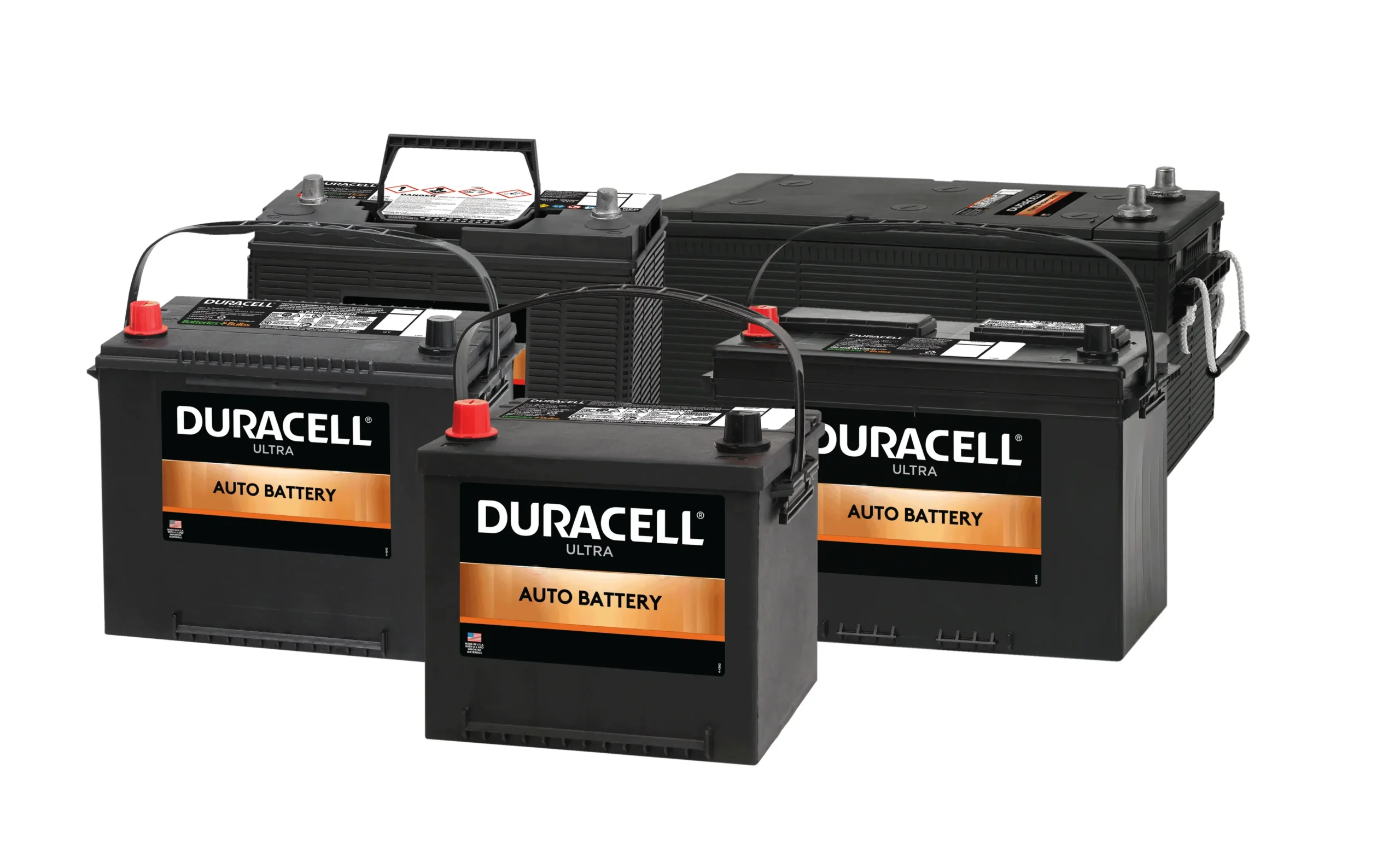
In this comprehensive guide, we’ll cover everything you need to know about car battery lifespan from warning signs and replacement tips to ways you can squeeze more life out of your current battery.
How Long Do Car Batteries Last on Average?
Most standard lead-acid car batteries last between 3 and 5 years. However, this number isn’t fixed some batteries fail as early as 2 years, while others can last up to 7 years under ideal conditions.
Here’s a quick breakdown by battery type:
| Battery Type | Average Lifespan |
| Conventional Lead-Acid | 3–5 years |
| AGM (Absorbent Glass Mat) | 4–7 years |
| EFB (Enhanced Flooded Battery) | 4–6 years |
| Lithium-Ion (EVs & Hybrids) | 8–15 years |
Pro Tip: If your battery is older than 3 years, get it tested annually at any auto parts store most will do it for free.
7 Key Factors That Affect Car Battery Lifespan
1. Climate and Temperature
Heat is the #1 killer of car batteries. High temperatures accelerate the chemical reactions inside the battery, causing internal corrosion and water loss. Drivers in hot climates (like the Middle East, South Asia, or the American Southwest) may see batteries fail in as little as 2–3 years.
Cold weather, on the other hand, reduces battery power output. A battery that’s already weakened may struggle to start your engine on a freezing morning.
Bottom line: Extreme temperatures both hot and cold shorten battery life significantly.
2. Driving Habits
Short trips are surprisingly hard on your battery. Every time you start your car, the battery discharges. It recharges while you drive but only if you drive long enough.
- Short trips (under 15–20 minutes): Battery never fully recharges → gradual drain over time
- Long highway drives: Battery stays fully charged → longer lifespan
- Frequent stop-and-go driving: More engine starts = more discharge cycles = shorter life
3. Electrical Load
Modern vehicles are loaded with electronics: infotainment systems, heated seats, dashcams, phone chargers, and more. The more electrical load your battery carries, the faster it wears out.
Common high-drain culprits:
- Leaving headlights or interior lights on
- Running AC with the engine off
- Aftermarket audio systems
- Dash cameras running 24/7
4. Battery Quality and Brand
Not all batteries are created equal. Premium brands like Optima, Odyssey, and OEM (Original Equipment Manufacturer) batteries are built to higher standards and often last longer than budget alternatives.
Tip: Always buy a battery that meets or exceeds your vehicle manufacturer’s specifications (check your owner’s manual for CCA Cold Cranking Amps requirements).
5. Maintenance (or Lack Thereof)
A neglected battery dies early. Corrosion on battery terminals increases resistance, reduces charging efficiency, and can eventually prevent your car from starting altogether.
Simple maintenance steps that extend battery life:
- Clean terminals with baking soda and water every 6–12 months
- Ensure the battery is securely mounted (vibration causes damage)
- Check electrolyte levels in non-sealed batteries
- Use a trickle charger if the car sits unused for weeks
6. Parasitic Drain
Even when your car is off, certain systems continue drawing power this is called parasitic drain. A small amount is normal (for clocks, alarms, key fobs). But a faulty relay, a trunk light that never turns off, or a glitchy module can drain your battery overnight.
Signs of excessive parasitic drain:
- Battery dies repeatedly despite being new
- Car won’t start after sitting for just a few days
- Electrical systems behaving erratically
7. Charging System Health
Your battery doesn’t charge itself the alternator does. If your alternator is weak or failing, your battery will be chronically undercharged, shortening its life dramatically.
Have your charging system tested if:
- Your battery keeps dying despite being relatively new
- The battery warning light appears on your dashboard
- Headlights dim at idle but brighten when you rev the engine
Warning Signs Your Car Battery Is Dying
Don’t wait until you’re stranded. Watch for these red flags:
1. Slow Engine Crank
If your engine turns over sluggishly before starting that classic “rrrr-rrrr” sound instead of an instant ignition your battery is losing power.
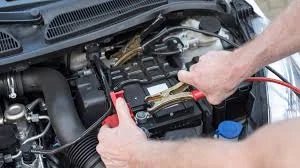
2. Frequent Jump Starts
Needing a jump start once is normal. Needing one every week is a dead giveaway your battery is on its way out.
3. Battery Warning Light
That little battery icon on your dashboard is there for a reason. Don’t ignore it.
4. Swollen or Bloated Battery Case
Caused by excessive heat, a swollen battery is a safety hazard and needs immediate replacement.
5. Rotten Egg Smell
A sulfur smell around your battery suggests it’s leaking get it replaced immediately.
6. Old Age
If your battery is 4+ years old, have it tested even if there are no obvious symptoms.
7. Electrical Gremlins
Random issues flickering lights, malfunctioning power windows, erratic radio behavior — can all point to a weak battery struggling to supply stable voltage.
How to Test Your Car Battery
You don’t need to be a mechanic to check your battery’s health.
Option 1: Free Testing at Auto Parts Stores
Stores like AutoZone, O’Reilly, and Advance Auto Parts offer free battery testing. They use a digital analyzer that tells you the battery’s State of Health (SoH) and whether it needs replacement.
Option 2: Use a Multimeter at Home
- Set your multimeter to DC Voltage (20V range)
- Connect red probe to positive (+) terminal, black to negative (−)
- Read the voltage:
| Voltage Reading | Battery State |
| 12.6V or above | Fully charged |
| 12.4V | ~75% charged |
| 12.2V | ~50% charged |
| 12.0V | ~25% charged |
| Below 11.8V | Dead / Replace |
Option 3: Load Test
A load test applies a controlled electrical load and measures how the battery responds under stress more accurate than a simple voltage check.
How to Extend Your Car Battery Life
Want to get the most out of your battery? Follow these proven strategies:
1. Drive Regularly and for Longer Distances
If you mostly make short trips, consider taking a longer drive once a week to fully recharge the battery.
2. Turn Off Electrical Accessories When Not Needed
Don’t run the AC, heated seats, or rear defogger with the engine off. Turn off all accessories before shutting down the engine.
3. Keep the Battery Terminals Clean
Corrosion is a slow killer. Clean terminals every 6–12 months with a mixture of baking soda and warm water, and apply terminal grease after cleaning.
4. Use a Battery Maintainer for Stored Vehicles
If your car sits in the garage for weeks at a time, plug it into a smart trickle charger (like a NOCO Genius or Battery Tender) to keep it topped up.
5. Park in the Shade or a Garage
Reducing heat exposure — especially in summer — can meaningfully extend battery life.
6. Get Annual Battery Tests After Year 3
Once your battery crosses the 3-year mark, test it every year. Catching a weakening battery before it dies saves you from being stranded.
7. Fix Electrical Problems Promptly
Don’t ignore warning lights or strange electrical behavior. A small problem left unchecked can turn into a dead battery or worse, damage your alternator.
When Should You Replace Your Car Battery?
You should replace your car battery if:
- It’s 3–5 years old and showing any weakness on a load test
- It has failed a battery test at an auto parts store
- You’ve needed more than one jump start in recent months
- The case is cracked, swollen, or leaking
- You notice persistent slow cranking despite a clean charging system
Don’t wait for your battery to completely die replacing it proactively is far cheaper than paying for a tow truck.
How Much Does a Car Battery Replacement Cost?
Battery prices vary based on type, size, and brand:
| Battery Type | Cost Range (USD) |
| Standard Lead-Acid | $80 – $150 |
| AGM Battery | $150 – $300 |
| Lithium (EV/Hybrid) | $1,000 – $6,000+ |
Installation: Most auto parts stores will install it for free or a small fee if you buy the battery from them.
Frequently Asked Questions (FAQs)
How long does a car battery last without driving?
A fully charged, healthy battery can sit for 4–8 weeks before going flat. A weak or older battery may die in as little as 1–2 weeks. Use a battery maintainer for storage longer than a month.
Does idling charge the car battery?
Yes, but very slowly. Idling typically runs the alternator at low RPM, producing minimal charge. A short drive at highway speeds is far more effective.
Can a completely dead battery be recharged?
Sometimes. A deeply discharged battery can often be recovered with a smart charger. However, if it has been deeply discharged multiple times, internal damage may be permanent.
How long does a car battery last in hot climates?
In very hot climates (consistently above 95°F / 35°C), expect 2–3 years rather than the standard 3–5.
Does a new car come with a new battery?
Yes, but the battery that comes with a new car isn’t necessarily top quality. Budget enough to replace it around year 3–4, even on a new vehicle.
Can I replace my car battery myself?
Yes, for most standard vehicles it’s a simple DIY job. However, some modern vehicles (especially luxury brands and hybrids) require battery registration with a scan tool — check your owner’s manual or ask a mechanic.
Conclusion
So, how long do car batteries last? Most batteries give you 3 to 5 years of reliable service — but that window can shrink to 2 years in hot climates or with heavy electrical use, and stretch to 7 years with proper maintenance.
The key takeaways:
- Test your battery annually after year 3
- Watch for warning signs like slow cranking, frequent jump starts, or electrical issues
- Maintain it properly clean terminals, avoid excessive drain, park in the shade
- Don’t wait until you’re stranded to replace it
A little attention goes a long way. Know your battery’s age, get it tested regularly, and you’ll never be left stranded with a dead car on a busy morning.