Choosing a Paintball Game Style and the Right Marker to Match It
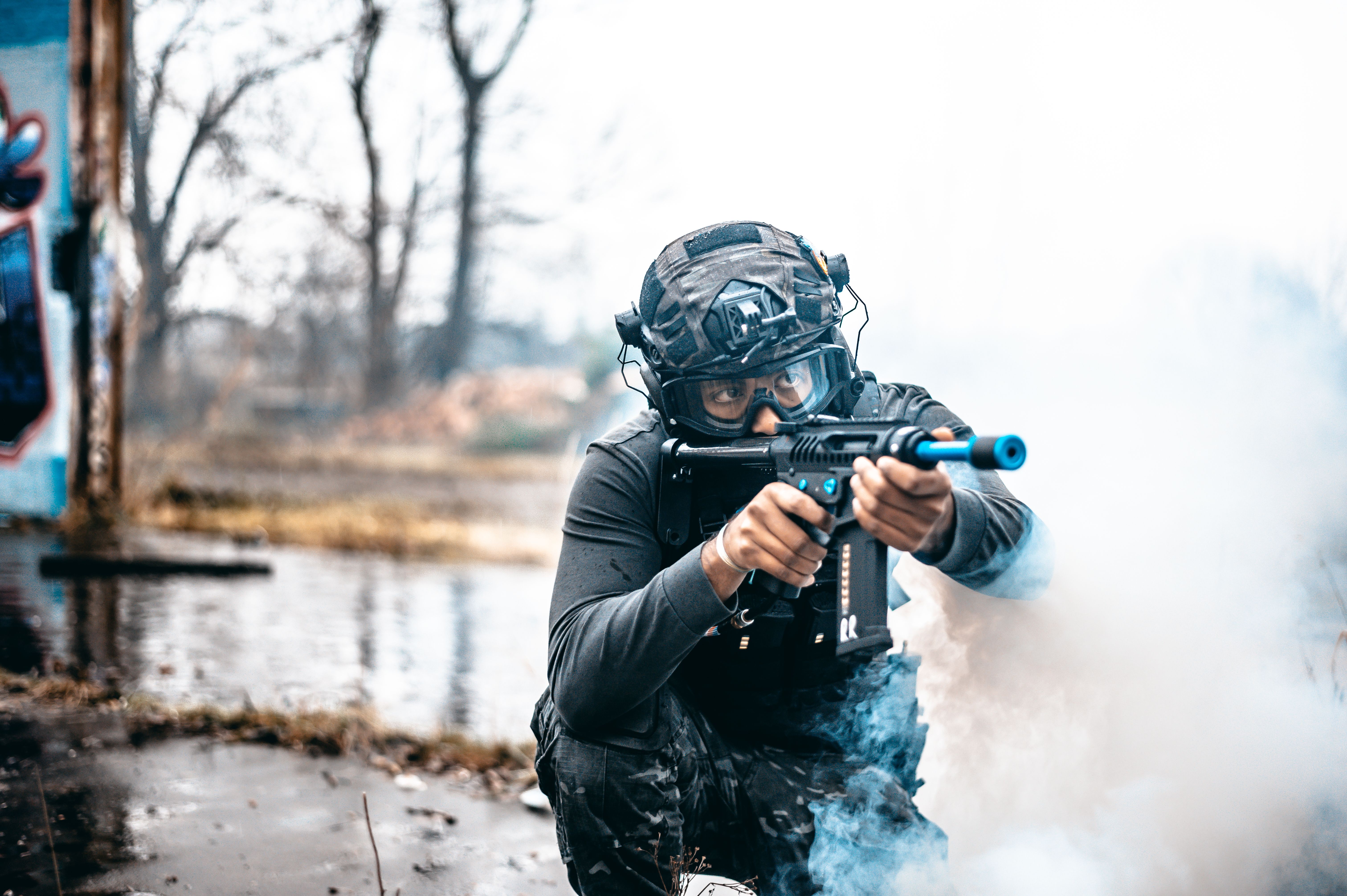
Paintball turns familiar gaming decisions into physical ones. Your preferred objective and pace should shape your marker choice, much as a character class shapes a tabletop campaign.
If you already enjoy tactical board games or team-based video games, the basic appeal will be familiar. You read the field and predict an opponent’s move. Then you decide when to spend limited resources. Family game-night regulars will be familiar with another truth: winning often depends on clear communication rather than one heroic player charging ahead.
Start With the Game, Not the Gear
In a nation with such a healthy enthusiasm in the outdoors and a fine military tradition, a US sporting-goods industry expanding by 3.4% last year, not least paintball’s potent mix of adrenaline and problem-solving, all within a highly specialized game environment, you can see why paintball enthusiasts are so happy to invest in the right equipment. But it has to be right for your style of play.
A useful beginner paintball guide begins with encouraging you to try different formats. Elimination rewards patient angles and controlled movement, while capture-the-flag gives every push a clear destination. Attack-and-defend games create uneven roles. Longer scenario events can add mission cards and respawns. Staged objectives then give the day a campaign-like structure. All these scenarios reward slightly different setups.
Speedball Vs Woodsball
Not sure where to start? The speedball vs woodsball decision is the clearest starting point. Speedball uses a compact field with mirrored inflatable cover, so lanes develop quickly and hesitation gets punished. National Xball League X-Ball uses five-player teams, which makes communication and assigned positions central to each point.
Woodsball spreads play across natural terrain or built structures. You may spend longer reading sightlines and moving quietly. Other paintball game modes often sit between these poles, especially recreational matches that mix close cover with wider flanking routes. Before buying, play both with rental equipment. Your imagined role may change once paint starts flying.
Speedball also changes paint use. A player holding a lane may fire to prevent movement and/or cover a teammate, rather than because an opponent is fully exposed. In woodsball, carrying extra paint over a larger field adds weight and noise. The same loader capacity can therefore feel essential in one format and excessive in another.
Match the Marker to Your Role
The main categories of paintball guns work like different loadouts. Mechanical paintball markers suit a defensive player who values simplicity and steady single shots. Pump markers slow the rhythm further, rewarding careful aim and paint conservation.
Mechanical designs fire once per trigger pull without relying on a battery, which makes them approachable for rental-style play and long woodsball days. Pump play adds a manual action between shots, so missing has a clear consequence. It appeals to players who enjoy tighter resource rules rather than maximum output.
Aggressive players usually benefit from a light electronic setup that can snap out from cover and send follow-up shots quickly. A support player may prefer the same marker type with a larger loader and comfortable air system, allowing sustained pressure while teammates move. Magazine-fed markers offer another route for woodsball players who enjoy reload planning and a more simulation-style experience.
When Electronic Speed Pays Off
Electronic markers use a battery-powered board and solenoid to control firing. Their short trigger pull and consistent cycling make them a natural match for speedball, where fast breakouts and lane control can decide a point before everyone reaches cover.
Collections described as fully automatic paintball guns generally feature programmable electronic firing modes. Yet the mode available on the marker is a separate question from the mode actually allowed at a field. Tournament rules commonly control rate-of-fire and may require ramping rather than unrestricted automatic fire. High-action players gain speed, but they also accept battery checks and more involved maintenance.
Build a Sensible First Loadout
Any marker still sits behind the safety basics. ASTM’s paintball briefing standard emphasizes approved eye protection and safe marker handling before play begins. Many fields set their chronograph limit near 280 feet per second, then require barrel covers in staging areas. Treat the briefing like the rule explanation before a new board game: listen first, then ask about anything unclear.
Comfort also affects performance more than flashy specifications suggest. Check whether the marker balances well with a full loader and air tank. Confirm that local fields can fill your chosen system, then price replacement seals and routine servicing. A reliable mechanical marker can outperform a faster electronic model when the faster option feels awkward or spends half the day on the tech bench.
Choose To Fit The Way You Want To Play
Your best marker is the one that supports your natural style of play. Choose speedball equipment for quick movement and repeated pressure. Choose a mechanical or magazine-fed setup if patience and a tactical approach sound more satisfying. Deliberate shots then become part of the challenge.
Once the practical choice is settled, you can give the loadout some personality. Try these weapon-name ideas, which may produce something better than just ‘the blue one’. More importantly, rent first and learn your local rules. Keep in mind which role keeps pulling you back onto the field. That experience is a better character sheet than any spec list.